
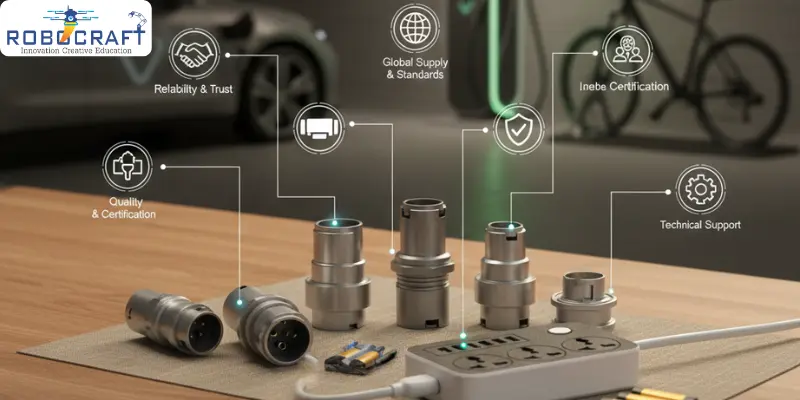
Picture this: e-mobility changes fast. Picking a solid charging socket supplier matters it keeps e-bikes and EVs running without hiccups. Think safety, think smooth daily use. If you build, sell, or drive these vehicles, the right supplier keeps things working when it counts. Lately, green transport has taken off. That pushes charging gear into the spotlight. A steady partner means fewer headaches down the road. Pairing sockets with matching batteries? Non-negotiable now. This piece lays out what actually helps spot a good supplier. Focus lands on real-world durability, proper fit, and consistent performance for both bikes and cars.
Charging Sockets in E Bikes and Electric Vehicles
Every time you plug in, it is the socket making sure energy moves without trouble from wall to gadget. E-bike models usually run on less intense power needs, built light and ready to go wherever you do. On the flip side, electric vehicles demand stronger flow – more juice, faster delivery – so their ports are tougher by design. When a maker knows what they’re doing, each part lasts longer, fits right into the tech around it, meets rules meant to keep things safe. Skip the proper fit, settle for weak materials, and problems start showing up: slow top-ups, overheating, maybe worse. Picking the wrong piece might seem small until something goes off track.
What to Look for in a Charging Socket Supplier
Picking a charging socket maker? Price matters less than how well they handle what you actually need. Think reliability first, then check these points
Quality and Durability
Pick a maker who builds charging ports from tough plastics, solid metals, strong finishes. When used outside on bikes or cars, these parts must handle wet days, grit, hot sun, cold nights. Choose brands that test their gear hard – longer life means fewer swaps down the road.
Works with Various Batteries and Systems
What matters most? How well things work together. Pick a charger maker whose gear fits your batteries – like lithium-ion if you’ve got an electric car, or lead-acid for certain e-bikes. See how smoothly it connects with cords, plugs, and the system watching the battery health. The better suppliers let you tweak designs so they suit different setups, which helps everything run smoother.
Certifications and Safety Standards
Start smart – pick a charging socket maker that holds labels such as UL, CE, or IEC. Because these show it meets rules meant to stop things like sparks or heat build-up. When selling abroad, check if it follows local codes, maybe ones set by SAE for electric cars.
Product Range and Customization Options
One thing to look at is whether they make everyday household outlets along with quick-charge models for city hubs. What stands out sometimes is tailored designs – say, weather-resistant ones for shared electric bikes or heavy-duty versions meant for company car parks. Another point that matters: can they keep up if you need hundreds shipped every month?
Reputation and customer support
Look into a charger plug maker by reading what past buyers say, checking real examples of their work, studying feedback. Solid companies stand behind products with help after purchase – coverage if things break, advice when needed, fast swaps. Teaming up with known brands such as Schuko or tailored original builders brings comfort later on.
Cost-Effectiveness and Sustainability
Even if money is tight, picking something useful beats choosing the cheapest. One dependable maker of charging sockets uses greener stuff, which helps cut down harm to nature. Think about how much it really costs over time, especially since saving power can make batteries last longer.
Innovation and Technology Integration
Start by checking if suppliers include clever tech like RFID locks or phone-linked tracking. For today’s electric vehicles and pedal-assist bikes, these links make life smoother – connectivity matters more now than before.
Tailoring Charging Socket Suppliers for E Bikes and EVs
Not every app fits one-size-fits-all power connections. Picking the right charger source means matching details to actual use. Some setups need sturdier links, others value speed more. Each case shifts what matters most in a provider. Fit comes before features here
For E-Bikes
Light weight matters most when you carry a charger every day. Built small, these ports slip into bags without slowing anyone down. Some fit right where the battery comes out, making reloads fast between stops. Locking parts help keep thieves from grabbing what is not theirs. Works just as well whether the power pack came from Brand X or Y. City travel asks for gear that does not fuss with setup time.
For Electric Vehicles
Power needs are tougher for EV plugs, so they must last longer under heavy use. Instead of just any provider, pick one focused on Level 2 or DC fast chargers that work smoothly with modern batteries. When setting up at homes or for company vehicles, go with makers whose outlets connect to smart grids this helps time charges around battery levels and cost changes.
Choosing A Charging Socket Supplier Common Mistakes to Avoid
Mistakes like these can slow things down when picking someone. Skip them if you want it quick, clean, clear
Starting wrong here means trouble down the road. A socket that does not match might charge slowly or harm your battery. Check what fits before plugging in. Getting it right avoids problems later.
Starting fresh each time matters when rules differ by location. A worldwide outlet maker knows what fits where. Their role? Making sure every plug follows local law without fuss.
A lower price tag can hide risks. Choose gear that lasts, even if it costs more upfront. Safety often depends on what you’re willing to pay.
When reviews are ignored, problems follow. A supplier with low ratings often hides more than it shows. Actual customers share what really happens behind the scenes. Trust grows when patterns repeat across many voices. Silence in feedback can speak louder than words. Experience counts more than promises ever do.
The Future of Charging Socket Suppliers
Faster movement toward electric transport pushes plug makers to try new ideas – wireless power transfer now pairs with smart fault detection. On bicycles that run on batteries and larger electric cars alike, fresher choices in eco-conscious build parts appear alongside built-in energy tracking systems, shifting refuelling into something sharper and kinder to nature.
Picking the right company to supply charging sockets for e-bikes and EVs means weighing how well parts work, if they match your system, and whether help is available when needed. Instead of just chasing low prices, look at firms with proper certifications and fresh approaches – this helps gear last longer and run better. Think ahead: the strongest partners handle today’s demands while keeping an eye on what comes next in green transport tech. Begin with a clear idea of what your setup requires, then contact known names in the field to find one that truly lines up with your goals.
