
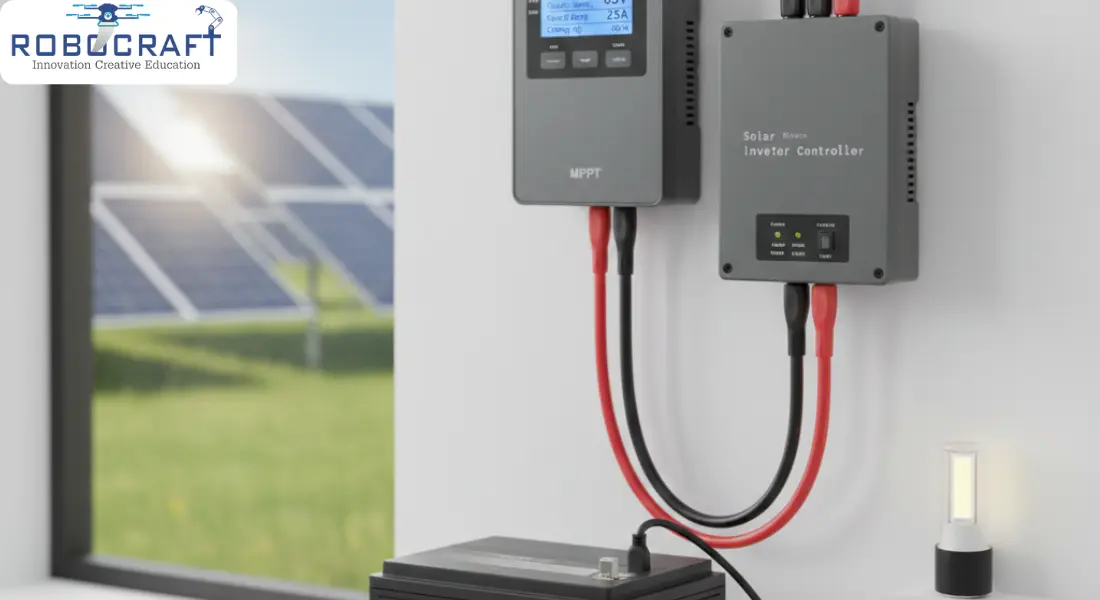
These days, rooftop sunlight catchers do far more than sit and wait for sunshine. What matters now is how smoothly each piece plays with others think flow, balance, time. At the core? Tools called MPPTs paired with brain-like inverter minds. When they sync right, Solar MPPT and Inverter setups make power stronger, storage lasts longer, everything hums without hiccups. Watching them work together reveals hidden gains tucked inside ordinary daylight.
How Solar Power Moves From Sunlight to Electricity
Sunlight hits the panels, producing a steady flow of DC power. Yet household devices need AC to operate properly. Before it reaches appliances, that raw output has to shift form. Devices like charge regulators manage input while inverters handle transformation. One adjusts incoming voltage, another reshapes the current entirely. Efficiency rises when both parts respond quickly to changing light. What finally powers your lights depends on their teamwork. Not every electron makes it through unchanged.
If voltage levels drift too far off track, things like energy waste or harm to storage units may follow. Efficiency lives in the details when moving power from solar array to outlet. Using a well-designed Solar MPPT and Inverter system ensures maximum power is captured and delivered safely.
MPPT: How Solar Charge Controllers Work
What MPPT means? That acronym refers to Maximum Power Point Tracking. This clever system keeps searching for the best mix of voltage and current coming from solar panels. Sunlight levels shift during daylight hours. Temperature swings happen too. Output from panels changes all the time because of those factors.
Even when skies are gray or light is low, power output stays strong because the system tweaks itself nonstop. Panels reach peak performance through smart shifting of electric settings by design. Efficiency climbs since one part talks to another without delay. Sunlight changes do not slow it down thanks to constant small fixes behind the scenes. Working together just right means every bit of sun gets used well, which is why pairing MPPT with a reliable Solar MPPT and Inverter controller is essential for modern solar systems.
Adding one last mention naturally in the conclusion:
Integrating components intelligently ensures that energy capture, storage, and delivery all work seamlessly. When planning a rooftop solar setup, choosing a coordinated Solar MPPT and Inverter solution is the key to maximizing efficiency and long-term reliability.
The Job of an Inverter Controller
A device changes battery current so household items run on it instead. Today’s smart versions handle tasks beyond just flipping power types. Managing how devices share the supply sits among their jobs. Safety during surges or shorts also falls under their control. Talking with solar trackers helps balance incoming energy smoothly.
Smooth operation kicks in once inverter controllers link well with MPPT units. Only then does correct battery charging happen, since stability and safety ride along with steady power flow. Using a coordinated Solar MPPT and Inverter system ensures that both parts work seamlessly for maximum efficiency.
MPPT and Inverter Controllers Working Together
Power flows smarter once both pieces work together. What MPPT does is pull every bit of energy it can from sunlight, then hands it off. The inverter steps in next, directing where that electricity goes—into storage or straight into your appliances. One doesn’t mean much without the other doing its part.
When systems get smarter, solar MPPT talks to inverters so power flows where it’s needed most. Instead of spilling extra juice, it slips into batteries before anything gets lost. Some devices take priority when power shifts around. Voltage stays steady because parts keep adjusting on their own. Less mess means more work done without burning off what you made.
Combining MPPT and Inverter Controllers
Most systems gain extra energy this way. Using MPPT means drawing out more electricity than simpler setups manage. Feeding it straight into a smart inverter cuts down wasted energy during changeovers.
What makes solar MPPT and inverter setups stand out is how easily they adapt. Using panels wired at higher voltages cuts down power loss in cables, so wires can stretch farther without issues. Charging becomes smarter too batteries last longer because voltage is managed closely, avoiding damage from too much charge or draining too far.
MPPT Separate or Combined with Inverter
Starting off different, certain setups pair standalone MPPT controllers with independent inverters. Meanwhile, another path combines both roles into one hybrid unit. One way might suit small arrangements better. Then again, complex layouts often gain more from integration. Size shapes what works best.
One option stands alone, giving room to swap parts later. The other tucks everything together, cutting down on cables and setup steps. Matching voltages matters most either way. So does lining up current numbers between panel and converter. Power levels need to agree too, no matter the design chosen.
Installation and System Design Factors
Wrong size causes problems. When panel voltage sits outside the MPPT range, things stop working right, while mismatched inverters struggle under load. Even top-tier gear falters if setup lacks care.
When setup right, solar MPPT and inverter setups keep working well no matter what happens. Because heat escapes easily, wires handle loads without trouble, while safeguards such as surge control help them last longer.
Long Term Performance and Cost Efficiency
Even if gadgets like MPPT and smart inverters ask more cash at first, they usually spend less down the road. Because they grab extra juice from identical panels, wallets stay fuller longer. Better handling of batteries also means fewer swaps, which cuts long-term tabs.
Fewer breakdowns show up when solar mppt units work together with inverters over time. These setups hold up well, especially where power grids stay out of reach. Energy runs more on its own once the system settles into rhythm. Reliability grows quietly with each passing season. Hybrid models benefit just as much without fanfare.
Final Thoughts
Sunlight powers systems best when parts act as one. A smart setup runs stronger, lasts longer efficiency shows up daily. Instead of separate pieces, think flow: charge control links tightly with power conversion. One follows the sun’s climb; the other shapes electricity for use. Together they stretch output, reduce waste, hold steady under shifting skies. Years pass. Dust settles. Still it hums, fed by choices made early.
Starting right, a well-thought setup turns sunlight into steady power through smart Solar MPPT and Inverter control. Each beam gets used fully when components work together without waste.
