
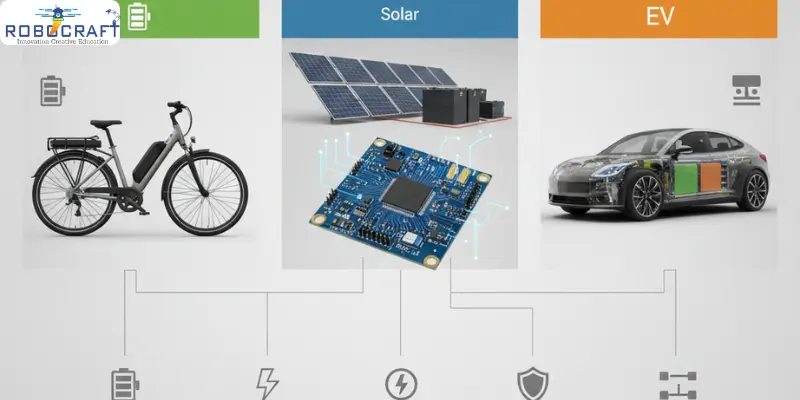
Ahead of most tech today think e-bikes, solar setups, even electric cars you’ll find lithium-ion batteries doing the heavy lifting. Because they pack so much power in small frames, last longer than older types, and waste less energy. But here’s the catch: without proper oversight, things can go sideways fast. That’s where a lithium ion bms steps in, quietly managing voltage, temperature, and balance across cells. Get one wrong? Overcharge risks appear, heat builds up, lifespan drops. For anyone using these batteries in bicycles, home solar banks, or vehicle drives, picking the correct BMS matters more than it seems. It watches every pulse of current, stops problems before sparks fly. This look covers what actually counts when matching a BMS to your project, whether pedalling through town or storing sunlight for later.
What a Lithium Ion BMS Does
Understanding the role of a lithium-ion BMS comes first, before considering how to choose one. This system keeps watch over how power flows in and out of lithium-ion battery groups. Think of it as the central mind controlling each cell’s behavior during operation. By ensuring even distribution across cells, it prevents damage from imbalance. Safety issues may arise if protection fails overheating being a serious concern. In uses like electric vehicles or large energy storage setups, failure can lead to hazardous situations. So reliability isn’t optional it’s built into its core function.
A ride on an e-bike feels steady when the battery management system manages power flow without hiccups. Solar systems store what panels gather more effectively because cell balance stays intact. Electric vehicles rely on this control layer to protect motors and batteries alike from strain. Choosing a reliable lithium-ion BMS means fewer risks, yes but also less waste and lower costs down the road.
Choosing a Lithium-Ion Battery Management System: What You Need to Know
A solid system isn’t just about specs on paper. What really counts depends on how you’ll use it day to day. Performance when things get messy matters more than perfect lab results. Built-in safety steps make a difference when something goes off track. It needs to line up with your battery’s design — no forcing parts to fit. Watching behavior over weeks gives clearer clues than quick tests ever could. When power demands spike, fast reaction time tells a lot. Heat or cold, shifting temperatures shouldn’t throw it off balance. Daily wear shouldn’t mean early failure. Clear signals beat confusing numbers. Room to grow later keeps options open without starting over. Easy installation saves trouble down the road.
Voltage and Current Ratings
Built precisely for your battery that’s the standard. Most e-bikes operate at 36V or 48V, and matching that range makes all the difference. Solar arrays can push voltage higher, demanding systems ready to handle stress. EVs draw sudden high current during fast charging, and handling that pressure defines performance. Picture it this way: your battery speaks a specific power language 12V, 24V, maybe 48V. The management system must speak that same dialect fluently. Voltage mismatch invites trouble. Current limits matter just as much. When ratings don’t align, stress builds, efficiency drops, and risks creep in. Proper alignment keeps everything smooth, steady, and safe.
Cell Balancing Includes Internal Safeguards
Now and then, a single cell inside a lithium-ion pack takes on charge quicker than the others – balancing steps in to correct it. Since uneven levels cause problems, equalization happens while storing energy and giving it back. High or low voltage triggers safety actions instantly. If current jumps unexpectedly, protection circuits respond at once. Temperature swings mess up efficiency, that is why steady monitoring matters. Exposed to sunlight or storms, rooftop systems stress power units – they must handle high heat. Moving transport needs accuracy, particularly tracking available charge at any moment. Estimating energy left leads to errors, therefore state-of-charge math gives real clarity. Skip these steps, and durability breaks down quickly.
Compatible with Various Battery Models
Battery types like LiFePO4, NMC, or LFP each dance to their own rhythm when charged. One-size-fits-all thinking fails here – no universal BMS handles them all. Different voltage curves emerge depending on chemistry. Getting the correct match between controller and cells isn’t optional – it’s essential. Pick a setup that actually knows what kind of cell it’s working with. A bike’s power brain might crash when stuck in a sun-powered battery box. Wires that talk one way in cars can trip up at home systems. Not every signal uses the vehicle-style CAN route – some take the simpler UART path instead. These links grew up in different worlds, so they do not always agree.
Scalability and Expandability
Begin modestly yet plan forward. Choose a lithium-ion BMS ready to scale alongside your needs. Need more output down the line? A system that pairs easily with duplicates saves major changes. Growth feels smoother when units stack one after another. As fresh cells enter, these systems adjust without delay.
Efficiency and Power Use
Power counts above all while using anything electric. Since wasted output adds up, doing more with less makes sense. Bikes or vehicles powered by cells demand clever ways to guard their supply. When sunlight charges a bank of storage, keeping every drop matters just as much. Energy you can actually use depends on how little escapes during waiting.
Cost and Reliability
Later on, saving money early might actually cost more. Go for reliability over the cheapest option available. Brands like Victron, Reno sky, or Orion may ask for more cash still, their dependable lithium-ion BMS systems prevent expensive failures ahead. Evidence lives in warranties, certifications such as UL or CE, along with honest reviews from actual users. Worth sticks around when strength matters most.
Tailoring Lithium Ion BMS for Different Uses
A look at how things differ shows that each use needs its own kind of lithium-ion BMS choice. Here’s what sets them apart
For E-Bike Batteries
A tiny lithium-ion brain keeps e-bike power steady, even when charging and draining again and again. Some run smarter by linking to phones through Bluetooth, showing what’s happening inside. To tackle steep roads, pick one ready for heavy energy bursts without failing. When rain hits or dust flies, sealed units with internal fuses hold up better outside. Riders going long distances often land on 24S or 36S types – solid output without overspending.
For Solar Batteries
A good lithium-ion BMS handles shifting power levels when tied to solar panels. Choose one that includes MPPT tracking along with remote oversight features. Cold conditions can damage batteries, especially where grids aren’t available. Protection against low temperatures helps avoid such problems. Systems built for expansion – such as models by Outback or SMA – fit homes just as well as large installations.
For EV Batteries
Starting strong, electric vehicles push lithium-ion battery management systems harder than anything else. Safety matters most here, so solid performance is non-negotiable. Instead of generic setups, go for ones built specifically for cars – tougher, smarter, more reliable. These often follow strict rules like ISO guidelines, which helps trust their function. Diagnostics need depth, spotting tiny issues before they grow. Regenerative braking isn’t optional; the system must handle energy coming back smoothly. Linking up with the car’s main computers keeps everything in sync. Big names like Tesla or Bosch make high-end units that run on 400 volts or higher. Such power levels demand precision when charging fast at public spots. Without careful control, risks rise quickly under load.
Choosing a lithium ion bms avoid these errors
Mistakes happen, even when you know your way around a lithium-ion BMS. Steer clear of these common missteps
What happens if you skip application-specific needs? The protection might fall short when using an e-bike BMS in an electric vehicle. Instead of fitting the system to the task, mismatched demands creep in. Because vehicles ask more than bikes do, safety gaps can open up unexpectedly. When that occurs, risks grow without clear warning signs.
Skipping software upgrades? Some newer lithium batteries come with systems that get better over time through updates – pick one that allows this kind of change.
Skipping checks invites trouble. Try the BMS in safe conditions before trusting it. Real user experiences often reveal fakes others miss. Opinions from actual users help spot weak builds.
A low price tag can mean missing safeguards, which may result in expensive battery damage later. What seems like a bargain at first could end up draining your wallet?
The Future of Lithium Ion Battery Management Systems
Out ahead, battery upgrades shift how lithium-ion systems behave. Intelligence sneaks in via forecasting tricks built on machine learning. Connections without wires pile on fresh shifts. Solar setups feel these tweaks more than most. E-bikes notice them too. Plug-in vehicles adapt just as much. Staying aware shapes smoother paths later.
A wrong choice here can cause big problems later on. Voltage needs shift between systems, so lining them up is key. Safety features kick in before damage happens, even if you do not notice. Whether building your own rig or setting up client gear, small fixes now stop headaches after. Hidden safeguards handle heat spikes and surges without asking. Getting it tight at the start means less worry once it runs. Success over time depends more on fit than fame. A machine runs smoother when its pieces move together without strain. Tiny flaws might seem harmless but they add stress, breaking things down quicker. Real quality hides in consistent performance, not loud promises. Fewer errors mean less trouble, day after day. Everything works better when timing clicks into place naturally. Trust grows slowly, each time it powers up without issue.
