
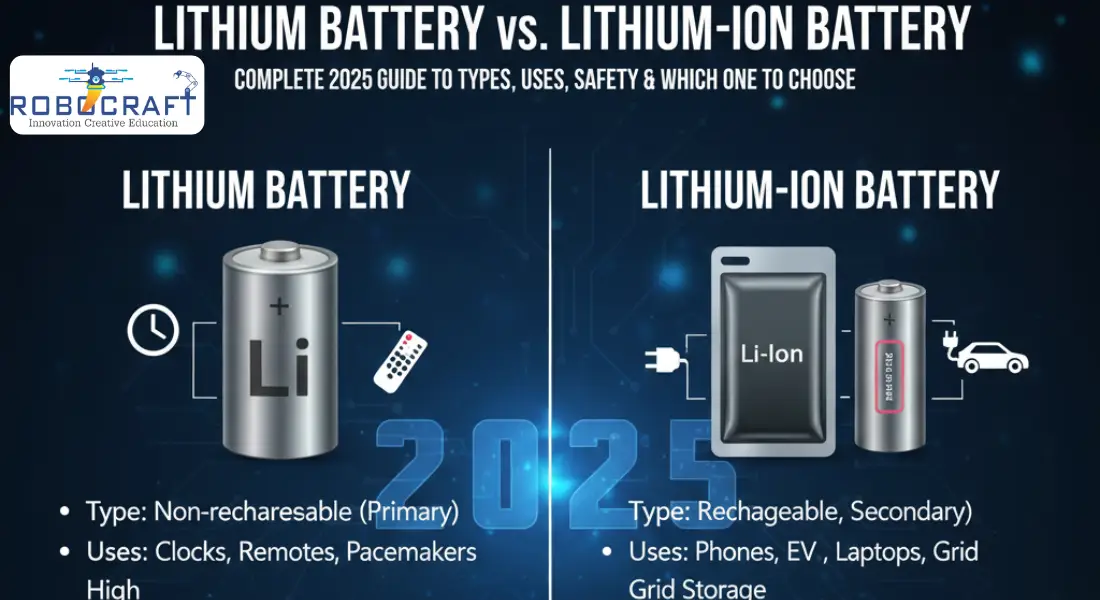
“Lithium battery” and “lithium-ion battery” are often used as if they mean the same thing, but they don’t. Knowing the difference helps you buy the right battery for an EV, a solar system, a drone or a small device, and avoid paying for the wrong one.
This guide explains the difference, the main lithium-ion chemistries (NMC, LiFePO4 and LiPo), common cell formats, and which type suits which job.
3.6–3.7V
NMC cell voltage
3.2V
LiFePO4 cell voltage
800–4000
Charge cycles
3.7V–72V
Custom packs
Lithium vs lithium-ion: the short answer
- Lithium (primary) batteries use lithium metal and are not rechargeable. Examples are coin cells like CR2032 and long-life cells used in meters, alarms and trackers.
- Lithium-ion batteries move lithium ions between two electrodes and are rechargeable hundreds or thousands of times. EV, solar, drone, robot and power-tool batteries are all lithium-ion.
In everyday selling, “lithium battery” is also used loosely to mean any lithium-ion battery pack. When buying, check whether it is rechargeable and which chemistry it uses.
| Feature | Lithium (primary) | Lithium-ion (rechargeable) |
|---|---|---|
| Rechargeable | No | Yes |
| Typical use | Remotes, watches, meters, alarms, trackers | EVs, solar storage, drones, robots, laptops, tools |
| Shelf life | Very long, low self-discharge | Good, but packs slowly self-discharge |
| Power output | Low to moderate | Low to very high, depending on cells |
| Long-term cost | Replace when empty | Higher upfront, much lower per cycle |
The main lithium-ion chemistries
Not all lithium-ion batteries are the same. The cathode chemistry decides voltage, energy density, life and safety.
| NMC (lithium-ion) | LiFePO4 (LFP) | LiPo (lithium polymer) | |
|---|---|---|---|
| Nominal voltage per cell | 3.6–3.7V | 3.2V | 3.7V |
| Energy density | High (light and compact) | Medium (heavier for same energy) | High |
| Typical cycle life | Around 800–1,500 cycles | Around 2,000–4,000+ cycles | Often a few hundred cycles in high-power use |
| Thermal stability | Good with a proper BMS | Excellent | Needs careful handling |
| Best for | EV scooters, e-bikes, robots, portable gear | Solar, inverter, ESS, long-life EV packs | Drones, RC models, high burst power |
Cycle life depends heavily on depth of discharge, temperature, charge rate and cell quality, so treat these as typical ranges.
Cell formats: cylindrical, prismatic and pouch
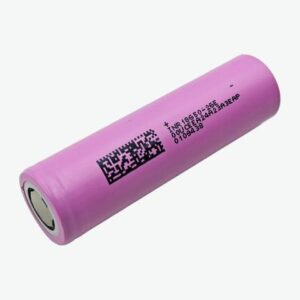
- Cylindrical (18650, 21700 and larger): robust and widely used in EV and e-bike packs. See our lithium-ion cells.
- Prismatic: flat rectangular cells, common in LiFePO4 solar and ESS batteries. See prismatic batteries.
- Pouch: light and flexible in shape, used in LiPo packs for drones and slim devices. See lithium polymer batteries.
Which battery should you choose?
| Use | Recommended type | Why |
|---|---|---|
| Electric scooter / e-bike | NMC lithium-ion, or LiFePO4 for longer life | NMC is lighter; LFP lasts more cycles |
| Solar, inverter and home backup | LiFePO4 | Long cycle life and high safety for daily cycling |
| Commercial energy storage | LiFePO4 ESS | Stable, long life, scalable |
| Drones and RC | LiPo, or high-discharge Li-ion for longer flights | High burst current or better endurance |
| Robots, medical and portable equipment | Custom Li-ion or LiFePO4 pack | Voltage, size and capacity built to the device |
| Meters, alarms, small electronics | Primary lithium | Years of life without charging |
Safety tips for lithium-ion batteries
- Always use a pack with a proper BMS matched to its chemistry and series count.
- Use a charger made for that exact chemistry and voltage. Our charger guide explains how.
- Never try to recharge a primary (non-rechargeable) lithium battery.
- Avoid physical damage, water and very high temperatures; stop using swollen or damaged packs.
- For storage, keep lithium-ion packs partly charged (around 50–70%) in a cool, dry place.
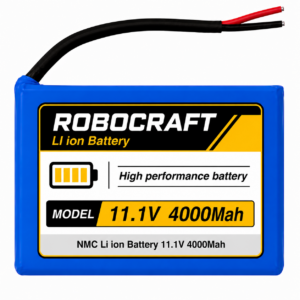
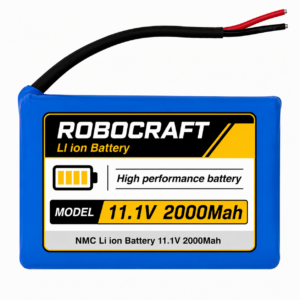
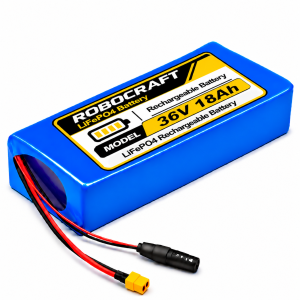
Lithium batteries and cells we supply
Frequently asked questions
Is a lithium battery the same as a lithium-ion battery?
Not exactly. Primary lithium batteries are single-use; lithium-ion batteries are rechargeable. In shops, “lithium battery” is often used to mean lithium-ion, so check the specifications.
Is LiFePO4 a lithium-ion battery?
Yes. LiFePO4 (lithium iron phosphate) is a type of lithium-ion chemistry, known for long life and high safety.
Which lasts longer, NMC or LiFePO4?
LiFePO4 usually lasts many more charge cycles. NMC stores more energy for its weight, which is why it is popular in scooters and portable products.
Can I replace a lead-acid battery with lithium-ion?
Usually yes, and LiFePO4 is the most common replacement for inverters, UPS and solar. Make sure the charger or inverter has a lithium charging profile.
Are lithium polymer and lithium-ion different?
LiPo is a lithium-ion battery in a soft pouch with a polymer-based electrolyte. It is light and gives high burst power but needs careful charging and handling.
Get the right lithium battery
Robocraft Impex makes custom lithium-ion and LiFePO4 battery packs from 3.7V to 72V for robotics, medical devices, weighing scales, EVs and solar. Share your voltage, capacity and size and we will build the right pack.
